


The Torch Cutter: Why This Century-Old Skill Still Matters in Metal Recycling
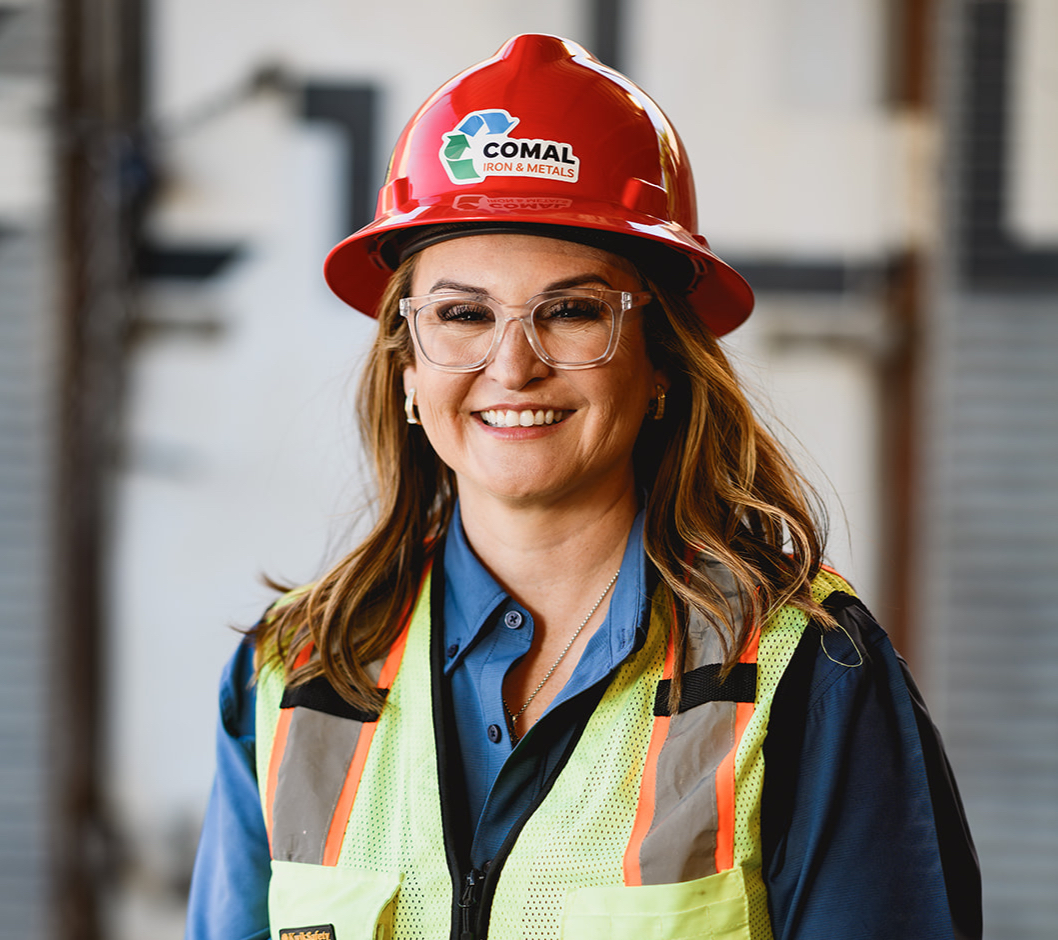

If you’ve ever been in a scrap yard and seen someone standing behind a torch, sparks flying as they cut through a massive piece of steel, you’ve seen one of the oldest—and still most important—skills in metal recycling.
Around here, we call them torch cutters.
The equipment around them has changed. Scrap yards have added shredders, hydraulic shears, balers and material handlers capable of moving enormous pieces of metal.
Safety practices have changed, too.
But the torch?
It still has a job to do.
Why Do Scrap Yards Still Need Torch Cutters?
Not everything that comes through our gates arrives in a nice, neat size ready to be recycled.
We see heavy equipment, thick steel, machinery and oversized pieces of metal that can be too large—or too awkward—to move, process or ship as they are.
That’s where torch cutting comes in.
Using an oxy-fuel torch, a skilled cutter can take something massive and break it down into manageable pieces. That makes the metal easier to handle and prepares it for the next step in the recycling process.
Because before old metal can become new metal, somebody has to prepare it.
Sometimes that takes a machine.
Sometimes it takes a torch.
And sometimes it takes a person who really knows how to use one.
A Tool With More Than a Century of History
Oxy-fuel cutting dates back to the early 1900s.
The basic principle is surprisingly straightforward: fuel gas and oxygen create the heat needed to bring steel to the proper temperature, then a stream of oxygen cuts through the heated metal.
The science may sound simple.
The work isn’t.
Long before the massive shredders and heavy processing equipment found in modern recycling yards, torch cutting was one of the primary ways recyclers reduced oversized scrap.
Think about an old car, piece of farm equipment, industrial machinery or structural steel. Before modern processing equipment, somebody had to figure out how to turn that enormous piece of metal into something manageable.
Very often, that somebody was standing behind a torch.
Then Came the Machines
Metal recycling changed dramatically during the 20th century.
Automobile shredders allowed recyclers to process cars and other scrap at volumes that would have been difficult to imagine before them. Hydraulic shears could cut heavy steel faster. Material handlers changed how yards moved and sorted large quantities of scrap.
Those machines changed the scrap yard.
They didn’t eliminate the torch cutter.
Even today, some pieces of steel are too thick, too large, too awkwardly shaped or simply better suited to being cut by hand.
That’s one of the things we love about this industry:
Old knowledge and new technology still work right beside each other.
The Tool May Be Old. The Way We Use It Isn’t.
A torch cutter today may be using the same basic oxy-fuel principle that workers used generations ago, but the work surrounding that torch has changed significantly.
Proper PPE, fire prevention, cylinder handling, ventilation, training and safe work practices are all part of doing the job well.
Because torch cutting isn’t simply about getting through a piece of steel.
A good torch cutter learns to read what is in front of them—what they’re cutting, where
to make the cut, how the material may react and how to do the work safely.
There is skill in that.
A lot of it.
We know because we’ve had the privilege of watching that skill firsthand.

For more than four decades, Carmen Olvera worked behind a torch at Comal Iron & Metals. His career gives us a rare window into how this work—and our industry—has changed over the years.
We recently told Carmen’s story in Mi Gallo: The Man Behind the Torch.
His story is also a reminder of something that’s easy to miss when you look around a modern recycling yard filled with heavy equipment:
The machine matters. The tool matters. But so does the person who knows how to use it.
What Happens to the Metal After the Cut?
This is the part most people outside our industry never get to see.
A massive piece of steel comes into our yard looking like the end of something.
A torch cutter sees where it needs to be cut.
Those smaller pieces can then be moved, processed and prepared to leave our yard for the next step in the scrap metal recycling process. Eventually, that steel can be melted and made into something new.
A beam.
A piece of equipment.
A vehicle.
A building.
That’s what we mean when we speak to children at tell them that old metal makes new metal...
It changes form.
And after more than a century of new machines, new technology and new ways of processing scrap, one of the tools helping make that transformation possible is still a person standing behind a torch.
Old tool. Skilled hands. New life for metal.
Want to See More of What Happens Behind the Gates?
What have you always wondered about metal recycling? Or what happens after your metal comes through our gates? Send us your questions. We love talking about this stuff—and you may just see your question answered on social media or turned into a future blog.
Because once you understand what happens to old metal, you start seeing it differently.

Comments